
How to Choose the Perfect Sandblast Stencil for Stone Projects
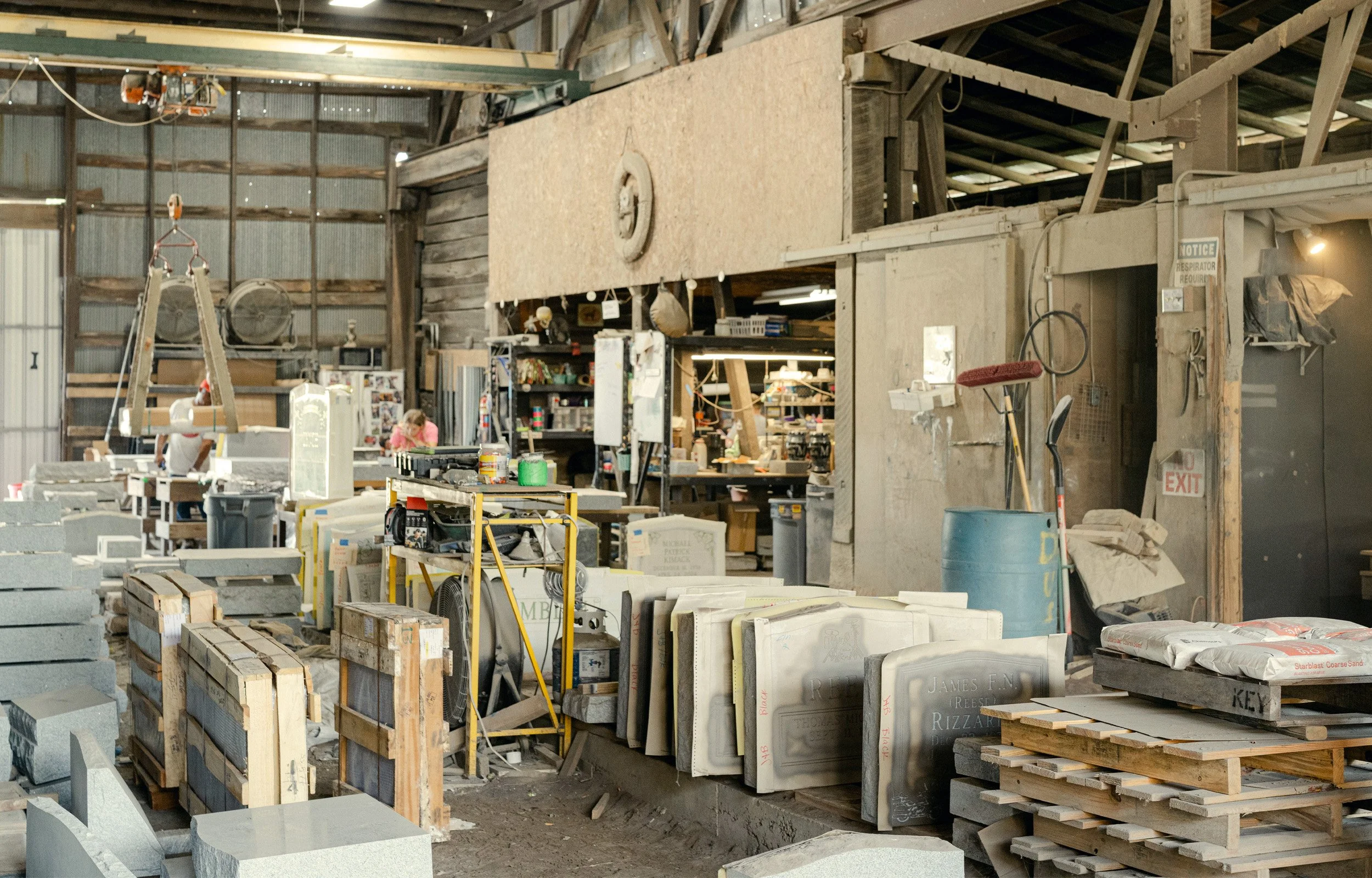
Stone is probably the best surface to work with for sandblasting projects, and also the most challenging. It’s a great substrate because it can be easy to shape and carve, and many stone types have different textures and patterns as you dig a little deeper through the surface which can give your engraving design a whole new look. Most stone surfaces are also somewhat rough and bumpy by nature which makes it easy to adhere your sandblasting stencil and have it hold fast for the duration of the project. On the challenging side, not all stone is created equally, so you need to know what you’re working with and how it reacts to the sandblasting process to be able to achieve professional grade results every time.
The Importance of the Right Sandblasting Stencil
Like any work that revolves around artistic talent, your clients are always interested in the end result. They’re not concerned about the process by which you achieve their engraving goals, but as master engravers, you know the key to success is all about having the right tools at your disposal. At the heart of every professional engraving project is the right sandblasting stencil. You’ve got to find the right blend of flexibility, adhesiveness and thickness for your project as an imbalance in any of those can lead to fuzzy edges, distorted designs or surface damage. Stone is an unforgiving surface in these regards, so it’s important to know how to select the perfect sandblast stencil for stone-based projects.
Know Your Stone Types
Being able to find the right sandblasting stencil revolves around two factors. The first is having a high quality supplier of stencil rolls who can match you with the right product for your project. The second is knowing the features of the type of stone that you’re working with. Not all stone projects are created equally, and there can be significant variations even within the same type of stone due to where it was quarried and how it was processed. There are some generalities that hold over different types of stone that will change the equation for your sandblasting stencil.
Dense and hard stone like granite require thick and high tack stencils because you’re typically using the sandblaster for extended periods of time. The high tack means that the design is less likely to lift up around the edges during exposure, and the thickness of the stencil prevents small surface damage from coming through during the longer sandblasting. On the flip side, softer stone types such as marble or limestone tend to be more porous which means it’s easier to carve with a sandblasting tool, which is where a medium-thickness stencil can be used. One of the best parts of U-Blast Stencils is our rubber formulation makes weeding easy, no matter the thickness, giving you better edge clarity. And no matter the adhesive level, U-Blast stencils are designed to stick strong during blasting, yet still peel off and clean up without the usual hassle afterwards.
Consider Your Project Specifications
In the same way that not all stone types are the same, you know that not all sandblasting projects are the same. There’s a big difference in a project that is just surface level etching compared to a monument where you’re required to carve deeper into the stone. Here, there’s a direct correlation between the thickness of your sandblasting stencil and the depth of your engraving. Surface level designs can handle a thinner stencil, while deeper etchings need a thicker stencil roll to avoid blow through the stencil. You also need to factor in the size and the complexity of your design, with bigger and more complex designs requiring a higher thickness and tack level to endure the extended sandblasting exposure.
Get Professional Help
Here at U-Blast, we consider ourselves to be experts on everything sandblasting, and there’s no stone based project that we haven’t come across before. When you talk to our team, we’ll ask you about your stone project to help match you with the right product for your project. We have everything from our UB2 line, which is one of our thickest stencil liners making it perfect for hard stone projects and double process sandblasting, to the new UB1 stencil, which is designed for varying surfaces with a medium level of adhesiveness, making it your go to choice for softer stone types. You don’t have to be a stone expert yourself when you talk to us as we’ll help you find the perfect sandblast stencil to give you professional grade results on your next stone project.