
Your First Sandblasting Stencil Job? Here's What Nobody Tells You
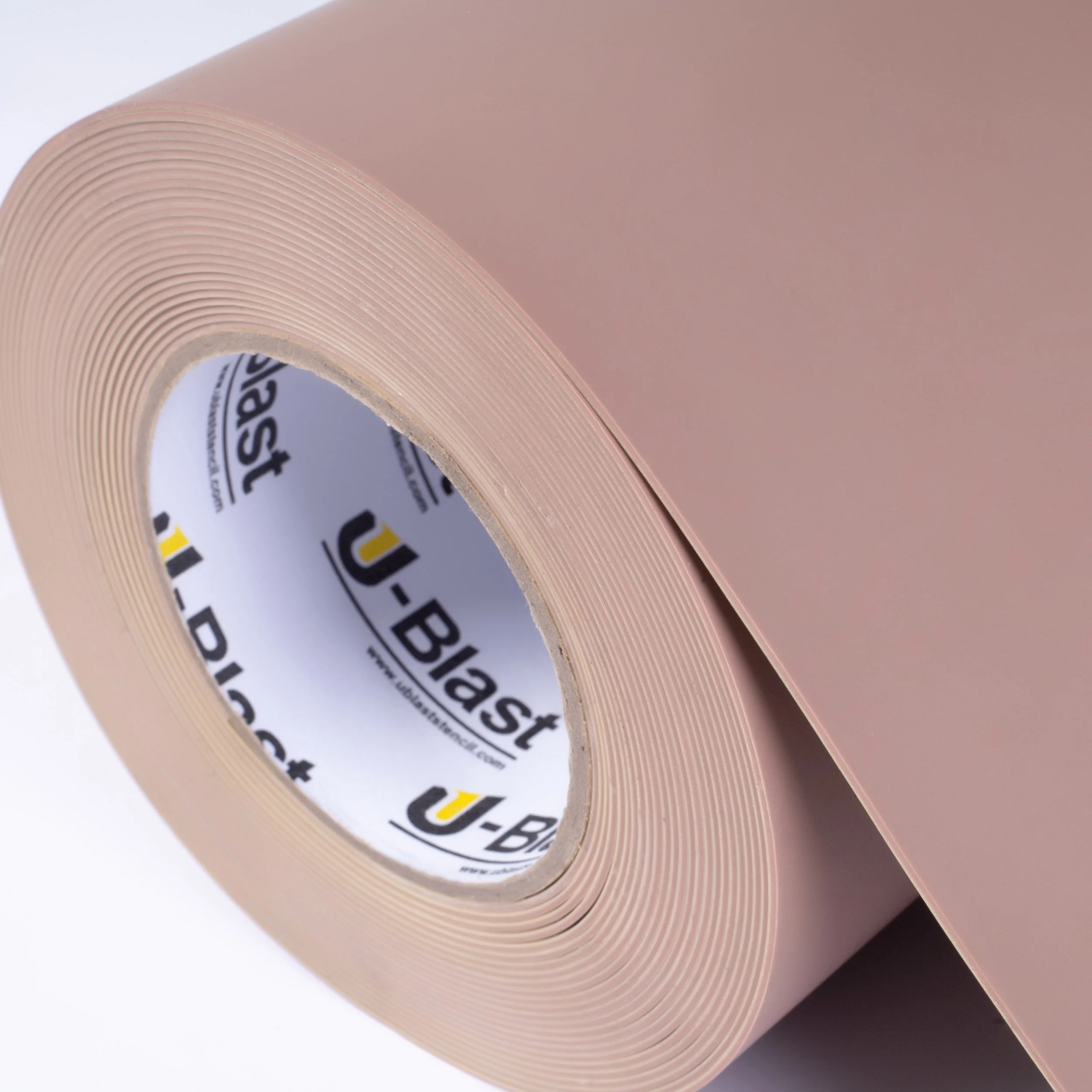
First of all, if you’re reading this, it’s likely that you’re entering the world of commercial sandblasting for the first time. If this is you, then welcome to the community! Sandblasting is a niche part of the engraving world, and here at U-Blast we believe it’s one of the most efficient and satisfying ways to bring crisp and clear designs to your clients. However, as with all artistic endeavors that you hope to get paid for, the end result is all that really matters, and there are plenty of things that sandblasting experts don’t tell you when you’re just starting out.
Hidden Dangers of Sandblasting
On the face of it, sandblasting sounds easy. Create a stencil, fire up the sandblaster and trust the stencil to do its work to carve your design in your chosen material. However, there’s plenty that can go wrong if you haven’t talked to someone with sandblasting experience. Sandblasting is an unforgiving art form because it’s entirely subtractive - that is, once you’ve made a cut, you can’t undo it. This means that every time you hit your target surface with your sandblaster, you have to have the correct pressure, distance and sandblasting media to avoid simple mistakes. All of this can come with practice, but there are three key hidden dangers that nobody tells you about that can save you a lot of time and effort if you know how to avoid them.
Surface Prep
Even before you get excited about plotting and weeding your first stencil and debating with your colleagues about the best shot media to use, you can set yourself up for immediate success by making sure your target surface is prepped carefully. In the first instance, this involves a deep cleaning to make sure you’ve got rid of any residual oils or previous surface coverings that might interfere with how the sandblasting media hits the surface. You’ll then want to create a key (this is mainly achieved through a light abrasive) to give the adhesive side of your sandblasting stencil something to catch onto. Finally, you’ll want to do one final wipe down to avoid any dust or moisture that might interfere with the crisp lines of your sandblasting stencil.
Adhesion
One of the hardest lessons to learn when you’re starting out on your sandblasting career is how to balance your adhesive. Apply too much, and you run the risk of having your stencil completely stuck to the surface once you’ve finished, leaving you to scrape it off and deal with unsightly marks and residue. Apply too little, and the stencil will end up shifting and distorting in the middle of your sandblasting. This will give you fuzzy or incomplete designs and reduce the chances of repeat business from your clients. It’s important to take into account factors like the humidity and temperature of your workspace as well as the texture of your targeted substrate.
Choosing The Right Stencil
Finally, the overall quality of your sandblasting project hinges on having the right stencil. Despite the outward appearance, not all stencils are created the same, and there are significant differences to be found when it comes to the flexibility, adhesion and thickness of your sandblasting stencil. It’s also not just a question of picking the thickest stencil, or the most flexible; each sandblasting job calls for a different style of stencil. For example, a project that has you working on a super rough surface like raw hardwood or brick will require a thick stencil with plenty of adhesive, while a metal or glass project on a curved surface will require a medium level of tack and a higher level of flexibility.
Work With Our Experts
Fortunately, you don’t have to reinvent the wheel when it comes to your sandblasting stencil job. Here at U-Blast, our team of stencil experts have decades of experience helping people just like you find the right stencil for your first project, and we’ll answer all your sandblasting questions to help make your first project a success. While we do have several specific stencil liner rolls for targeted work (our 721 series is your go-to for rough surface work, while the 723 series is preferred by our aerospace partners), you can’t go wrong choosing our flagship UB1 stencil liner. We’ve designed this to be our all-purpose stencil liner that balances flexibility where needed with a thickness that will handle most sandblasting projects. Get in touch today to let us help you make the best of your first sandblasting job.