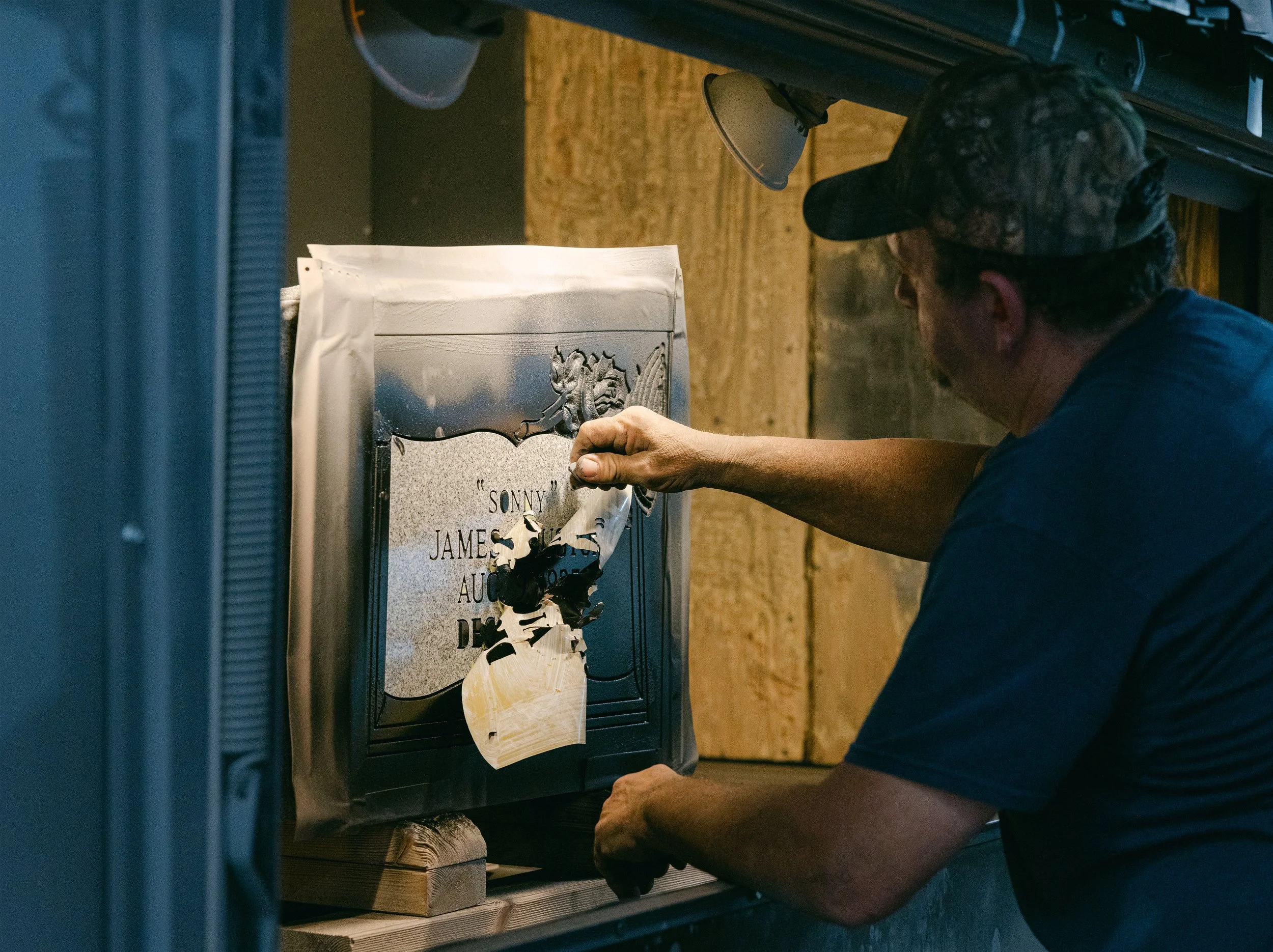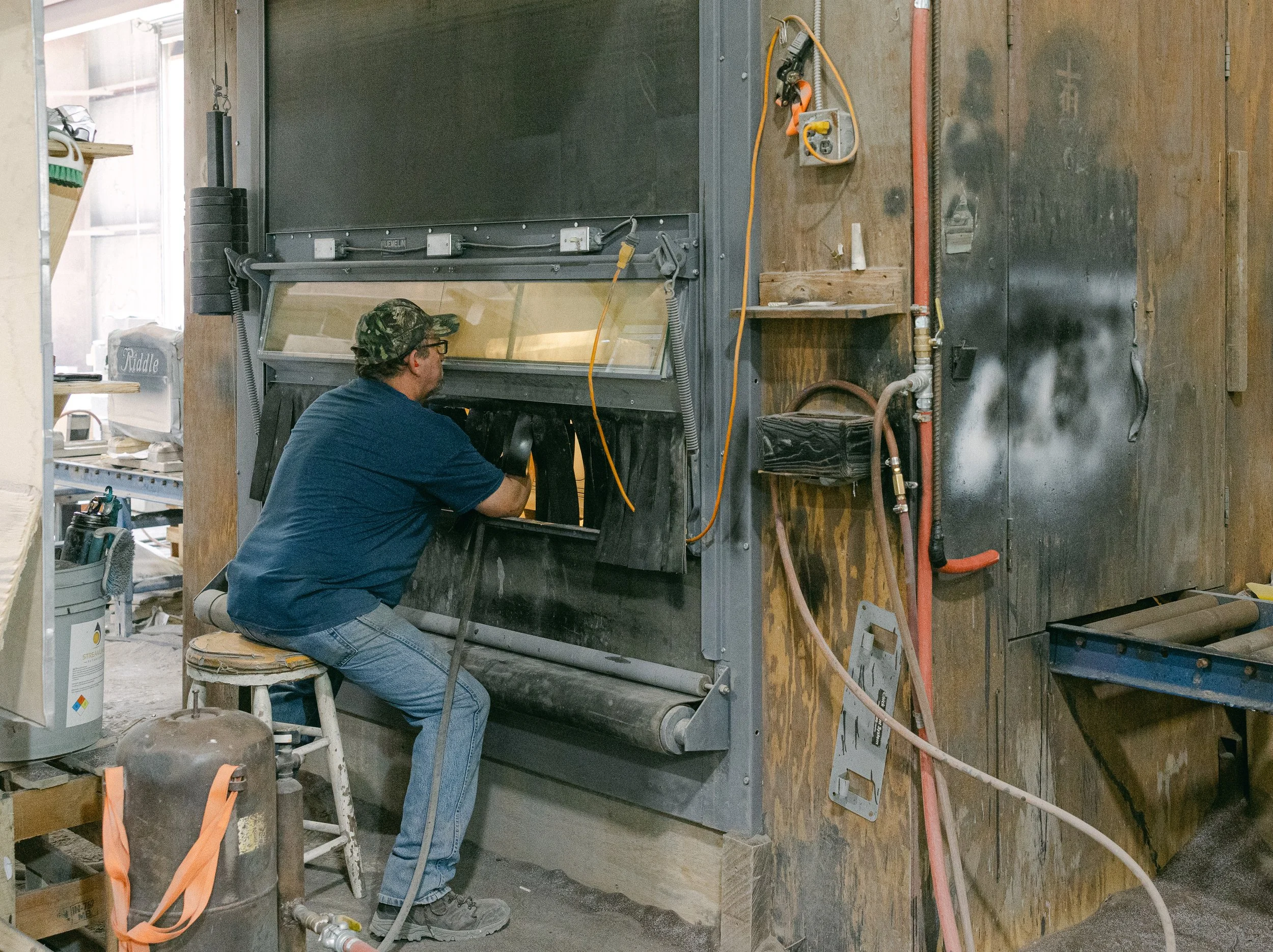
When you’re shopping for a new high quality sandblasting stencil, you’re mainly asking about the lifespan of a stencil roll. Each project has a unique design, but you’ll always be left with some leftover stencil roll. The challenge for any sandblasting operation is to make sure that you have enough roll on hand but not letting it dry out between uses. The difference that you get with U-Blast is our new stencil roll upgrades keeps your stencil roll intact and ready for use for longer so you can keep your workflow moving.
Variables that Impact Stencil Lifespan
In addition to the traditional variables that impact how many blasts you can get from a single stencil, such as the quality of the rubber and the complexity of the stencil, there are a few other external influences that you are in control of that can help you get more out of each stencil:
Abrasive media – one of the biggest factors that determine the lifespan of a sandblasting stencil is the type of sandblasting abrasive media that you use for your engraving project. It’s clear to understand how a hard, aggressive media such as silicon carbide will eat away at even the thickest rubber stencil in a few passes, while the softer options such as crushed walnut shells and glass beads will keep your stencil fresh for longer.
Pressure – along the same sort of, “oh that’s kinda obvious” line, the pressure that you set your sandblaster to also makes a big difference to the structural integrity. Turning the PSI up over 100 is likely to dramatically decrease how long you can use the sandblasting stencil for, so it’s a good idea to keep away from really high pressure work unless the substrate or project truly needs it. That sweet spot around 90 PSI is usually sufficient for most projects and will keep your stencil going for longer.
Personal technique – no one wants to really admit it, but there’s a lot of potential for stencil damage and wear and tear that comes from how you operate the sandblaster. Rookie errors such as blasting away at one particular spot for extended periods of time, or coming in at a severe angle both increase the pressure and amount of abrasive media coming at your stencil which will rapidly decrease its lifespan. If you’re finding that you’re burning through stencils quickly, have a colleague or mentor watch your technique to see what new strategies they can help you with to become more efficient.
The U-Blast Difference
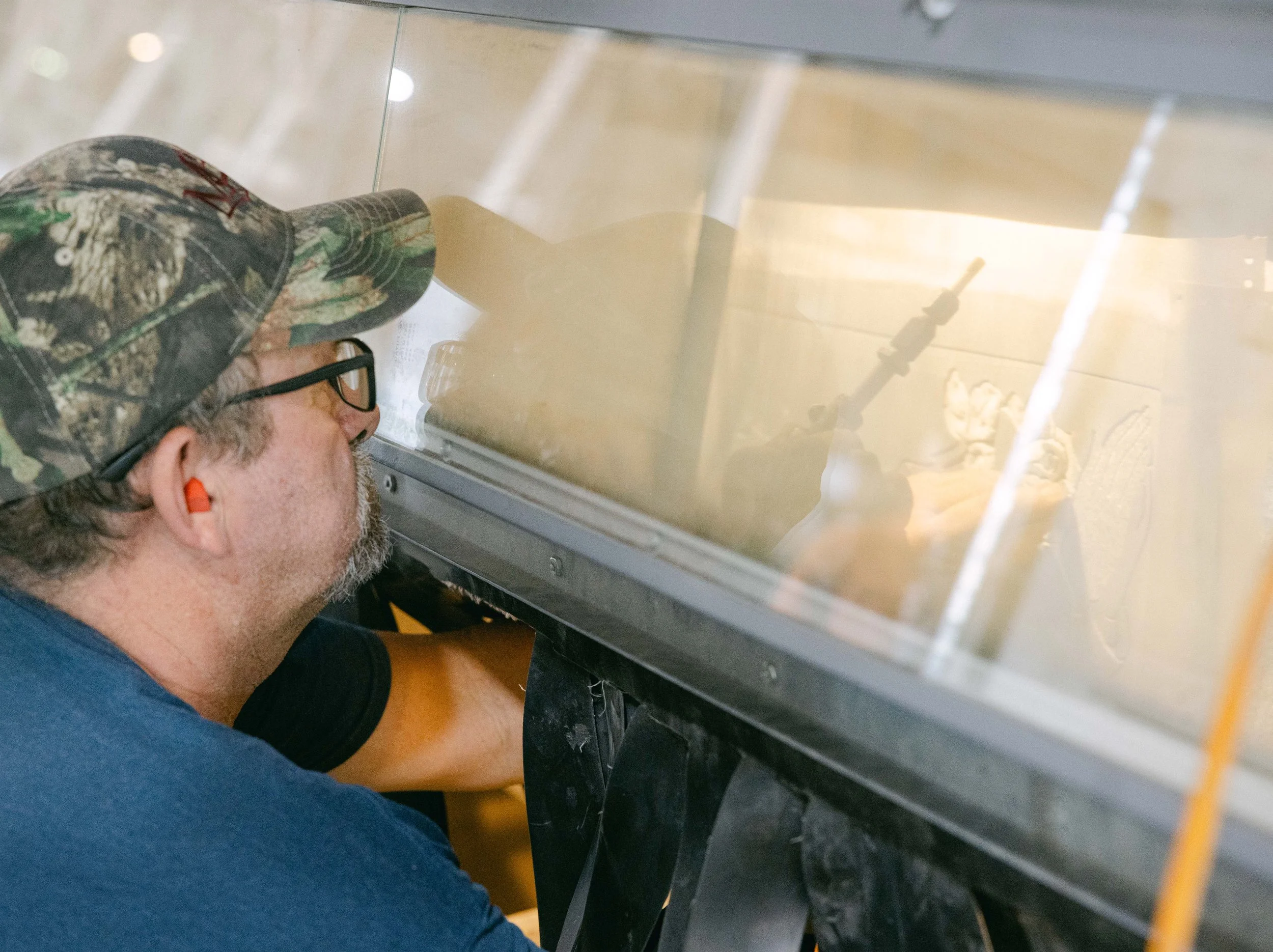
The biggest factor that will make the biggest difference in your sandblasting stencil lifespan is the quality of the stencil that you use. This is where teaming up with U-Blast is a no-brainer as our stencils are uniquely designed to be applied to the substrate long before you switch on the sandblaster. This gives you a huge time savings as you can stack up projects for the blast room, meaning you only need to set up and clean up once across a whole range of projects. When you work with U-Blast, you can trust the quality of our products no matter how big or small your project as we take the time to listen to client feedback and we’re constantly refining and adjusting our stencil rolls.
Next Generation Rubber Design
Our team of stencil experts have been working hard to completely overhaul our synthetic rubber compound. Based on customer feedback, we prioritized flexibility and blade resistance and protection. After a lot of refinement and testing, our new rubber stencil rolls are designed to maintain their strength and flexibility when you’re not in use, while being soft enough to reduce blade wear during cutting. This new compound will give you cleaner cuts and extend the life of your cutting tools as well as getting more blasts per stencil.
Labor Efficiencies
Picking a U-Blast stencil roll will always save you time on the front and back end of each project. The cutting and weeding process becomes much easier with our unique rubber formula, and we’ve overhauled our approach to adhesive to make clean up hassle free. You’ll still get our trusted, high quality levels of tack and stability, but you’ll find it much quicker and easier to peel the stencil off and clean up the residues, giving you extra time to set up the next round.