
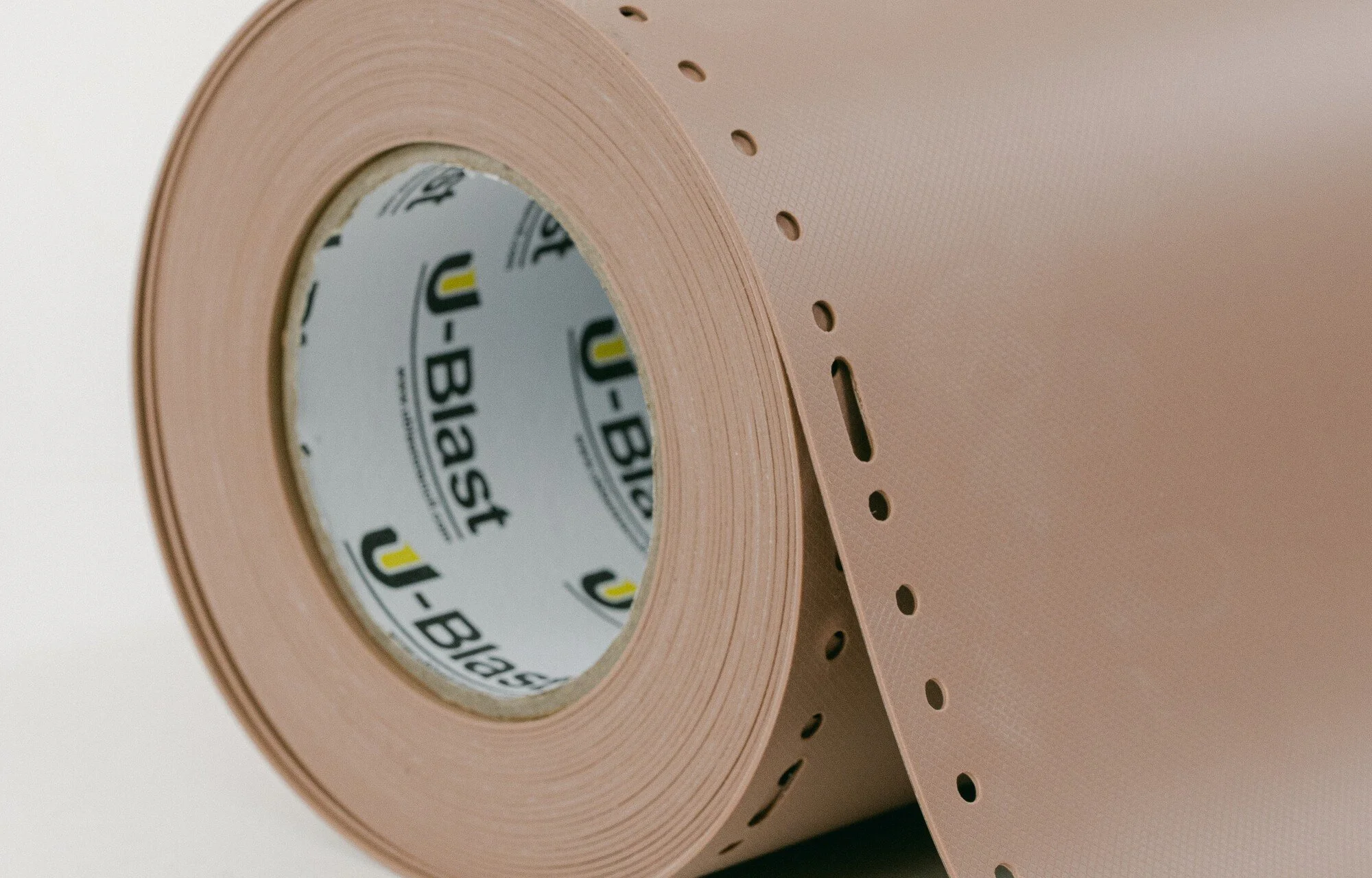
When it comes to getting the right result the first time around, the biggest impact on the success of your sandblasting project comes from having the right stencil. Choosing the right stencil starts with having the right supplier who has a high quality product at a price that also works for your bottom line. From there, you’ll be able to tap into their expertise about how thick or thin your sandblasting stencil should be depending on the needs of each individual project.
Choosing The Right Stencil Supplier
You’ve never had more choice of sandblasting stencil suppliers than right now. As with all competitive markets, some companies choose price points as their battleground, aiming to undercut more established suppliers with cheaper prices. However, to create cheaper but similar products, corners have to be cut somewhere. Here at U-Blast our focus is on getting you the best value for your budget. We stand behind the quality of our stencil rolls, and you can rest assured that each of them has gone through a rigorous quality assurance process based on real customer feedback. You’ll save time and money in the long run when you use a stencil cut from a U-Blast stencil roll as you’ll always get the right result the first time.
Getting Expert Help
Another reason to partner with U-Blast is our commitment to honesty and transparency when we’re working with you. We know the importance of positive relationships for long term business partnerships, so you’re always able to get honest answers to your sandblasting questions. One of the frequent discussions we have with our customers is about choosing the right thickness of your sandblasting stencil roll. We’ve found that there’s no hard and fast answer; it’s not a question about whether thick or thin rolls are better across all projects, but more a question of which projects require different levels of thickness. To help make the decision process quicker, each of our stencil rolls comes with a one to ten thickness rating so you can instantly compare our products.
When You Need To Go Thick
Given the high pressure velocity of the sandblasting media, most projects need a reasonably thick stencil to protect the substrate. However, there are some times when you’ll want to go for our thickest stencil ranges:
Deep carving - if your project requires deep cuts of a centimeter or more, you’ll need to run the sandblaster at higher PSI to get the required depth. In turn this means you’ll need a thicker stencil to help protect the rest of the substrate.
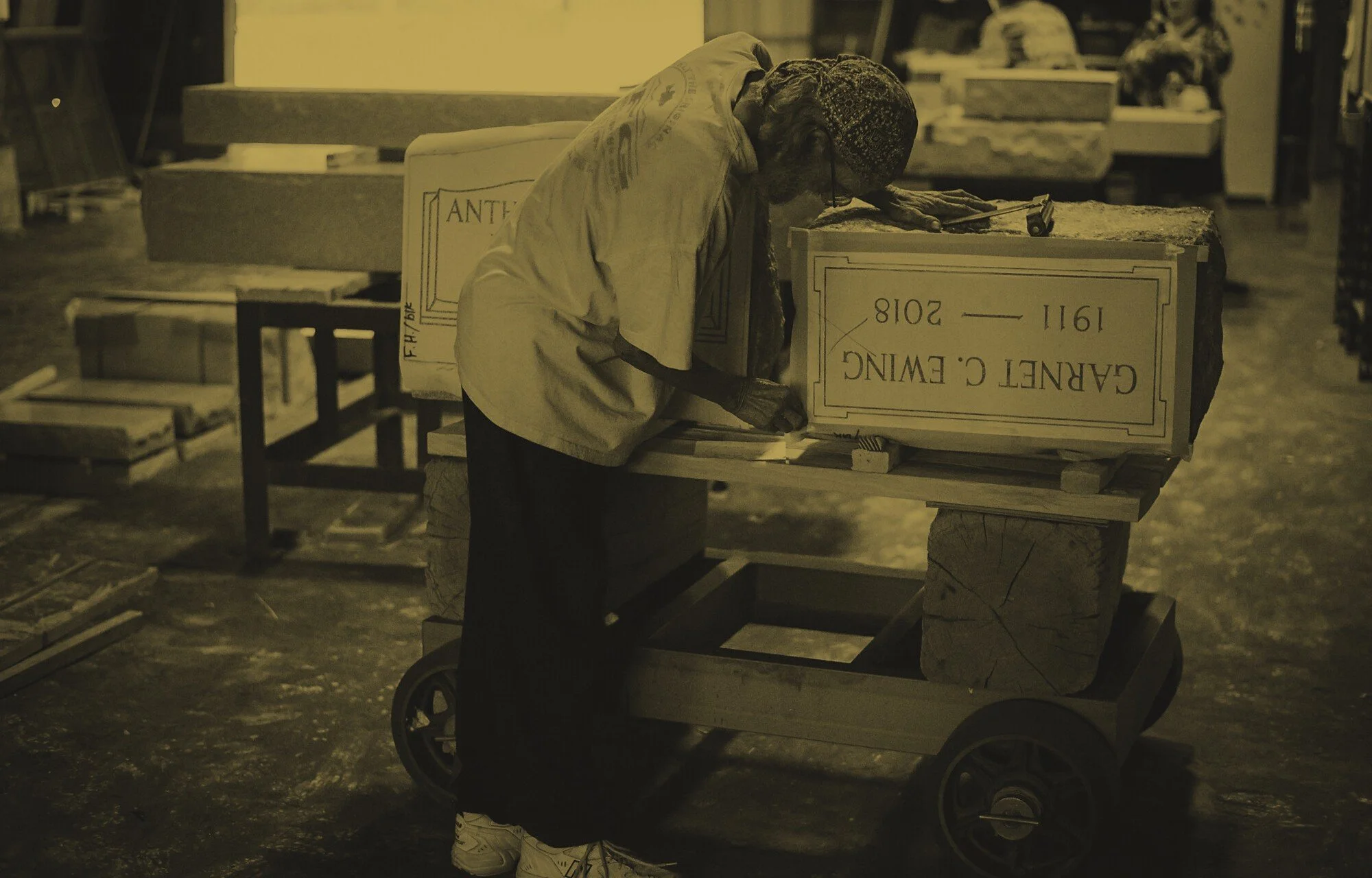
Hard stone - you’ll also want a thicker sandblasting stencil when you’re working with hard wearing stone such as granite or heavy marble. The compact nature of these stone types requires high pressure for longer periods of time, so a thicker stencil gives you peace of mind while you’re working on intricate monument work.
Extended exposure - finally, thick stencils are essential for any time that you’ll be working with the sandblaster switched on for extended periods of time. All stencils erode and break down under pressure, so a thicker stencil gives you more time to get the correct detail the first time.
When It’s Thin For The Win
Thin is a relative term when it comes to sandblasting stencils. You always need a bare minimum layer of protection for your substrate, so take any talk of thin stencils with that in mind. However, given that thickness lies on a spectrum, you’ll want a thinner sandblasting stencil in the following situations:
Fragile substrates - when you’re working with a more fragile surface, or one that has a painted outer coating, a thinner sandblasting stencil is the way forward. This is because a thin stencil flexes to follow the surface instead of sitting rigid on top of it. The adhesive on a thin roll is stronger than on a thick one, not lighter. There is less material holding it down, so the tack has to do that work, and that strong bond is what keeps the rubber flexible.
Curved surfaces - you’ll find a thinner rubber stencil is key when you’re working with non flat surfaces. These could be curved or involve corners, and a thinner stencil gives you more flexibility to stretch and bend across different angles without losing the integrity of the image.
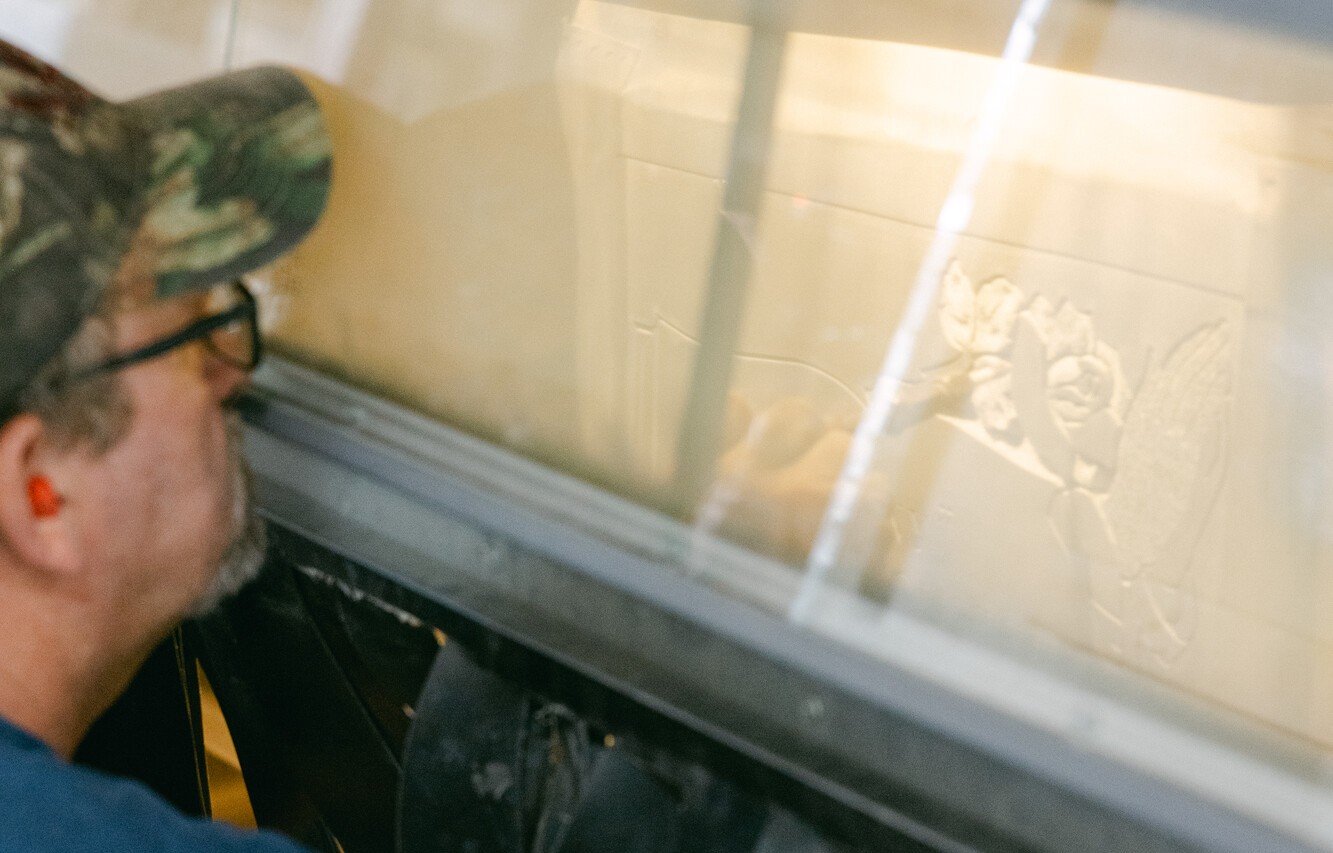
Smaller designs - finally, you’ll want a thinner sandblasting stencil when you’re working with smaller and more intricate designs. These require a higher level of skill when you’re picking and weeding the design, and a thinner stencil makes it easier to create the perfect design and get the best results the first time around.